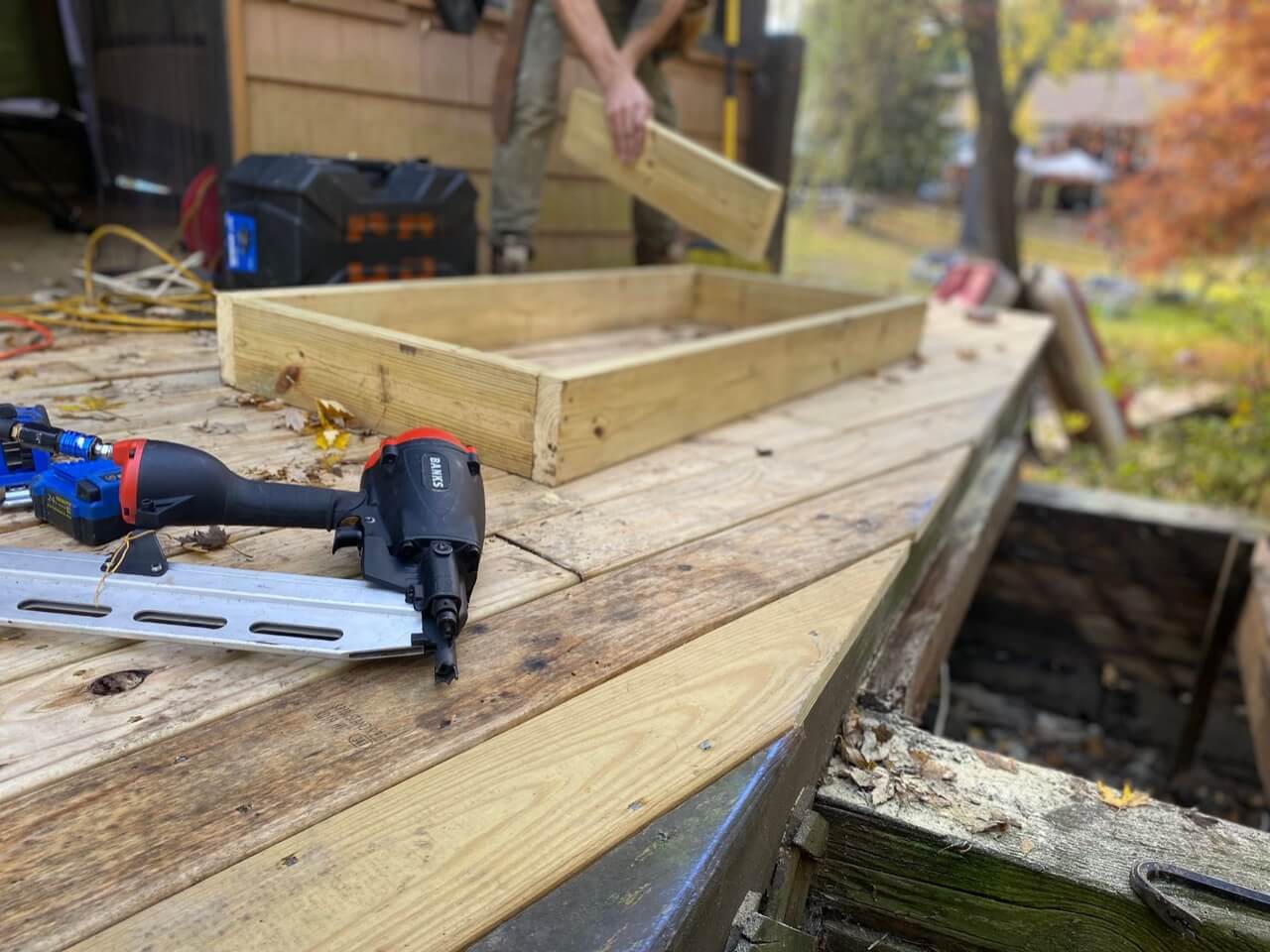
Here’s how to plan home improvement costs around a HELOC in Columbia, MD, step by step—from organizing project costs to scheduling draws.
How a HELOC works
A home equity line of credit (HELOC) is a revolving line of credit secured by your home, which lets you borrow, repay, and borrow again during an initial draw period, subject to the agreement’s terms. In Columbia, you can use a project plan to organize the costs and payment timing you’ll review with a lender.
Questions about your situation?
Talk it through with a loan officer who knows this market. No forms and no pressure.
Step 1: Break the project into costs and timing
If you’re a Columbia homeowner planning improvements, start by listing the work and when you expect to pay for each part. Separate confirmed prices from estimates so you can see which costs may change.
- List expected materials, labor, permits, and other project expenses.
- Note when each payment may be due, such as before work begins, during a project phase, or after completion.
- Mark which amounts come from written contractor quotes and which are still estimates.
- Identify work that could add costs if the scope changes or an issue appears during construction.
Permit requirements and costs depend on the property and the work, and contractor schedules and invoices can shift. Keep your plan flexible rather than treating every estimate as final. In short, a clear cost-and-timing list gives you a practical starting point.
Step 2: Compare the project plan with the HELOC structure
Here’s how it works: the draw period is the time when you can request access to funds, while the repayment period is when you repay what you borrowed. The length of each period and the rules for using the line vary by lender and product.
Available credit is the amount you may borrow under the line’s terms. If a contractor bills in stages, compare invoice dates with the line’s draw rules and your expected funding needs. Confirm how to submit requests and allow time for processing.
A HELOC may have a variable interest rate, which can change over time. Ask how the rate is set, when it may change, and how a change could affect repayment. So, match expected invoice dates with the line’s access and repayment terms before counting on the funds.
Step 3: Prepare for pre-approval and review the numbers
Next, you can seek pre-approval, an initial review of your finances and potential loan options, not a final approval. A lender may request information about your income, debts, property, and project estimates. Requirements vary by lender and product.
The lender reviews your credit, available equity, and debt-to-income ratio—the share of your monthly income used for debt payments. Howard County’s median household income was $146,982, according to the Census ACS 5-Year, 2023. This is local context for planning your household budget, not a measure of what you personally qualify to borrow.
A project estimate can explain your plans, but it does not determine how much credit you may qualify for. Compare the likely payment schedule with proposed line terms, and separate confirmed costs from assumptions. The takeaway: an early review can help you spot timing or budget questions while the plan is still taking shape.
Step 4: Confirm the property review and terms
Next, you’ll need to understand the property review. Loan-to-value ratio (LTV) compares the loan balance with the home’s estimated value. Columbia’s home value was $501,456, according to Zillow Research, October 2026. This local figure provides context for the market, but a lender’s valuation of your specific property may differ and may affect the amount or terms available.
Compare the fees, rate structure, draw rules, and repayment terms in any offers you consider. APR, or annual percentage rate, reflects the interest rate and certain costs of borrowing, but may not include every cost. Closing costs and approval requirements vary. Bottom line: wait for the property review and compare the full terms before relying on a particular amount or cost.
Step 5: Close the HELOC and set up a draw schedule
Closing completes the lender’s required documents and sets up the account. The process and timing vary by lender and product, so confirm what remains to be completed and when you may request funds.
After that, align planned draws with actual project milestones, invoices, and payment due dates rather than borrowing the full expected budget at once. A draw is a request to access part of your available credit. Ask how to submit a request, what information may be needed, and how it is processed under your agreement.
- Check that the invoice matches the project work and amount due.
- Confirm the draw request follows the agreement’s process.
- Keep a record of the amount borrowed and the remaining available credit.
In brief, use the account according to its rules and tie each draw to a real project expense.
Step 6: Adjust carefully when scope or timing changes
If the contractor changes the scope, an invoice moves, or unexpected work appears, pause and update your cost list. Separate revised amounts from costs that are still estimates, then check the updated payment dates against the project schedule.
Before requesting additional funds, check your remaining available credit, invoice timing, and the agreement’s draw rules. Borrowing more may affect future payments and your overall debt, so consider how a change fits your budget before moving ahead. Ultimately, revising the plan before requesting more credit helps keep the project and borrowing decisions connected.
A wide range of home values in Columbia
Columbia’s starter home value was $354,569, according to Zillow Research, October 2026. This gives you one local reference point when considering the property and project budget, but it does not establish your home’s value or the credit available to you. Use local values as context, not as a substitute for a property review.
Keep property taxes in your carrying-cost plan
As you assess the household budget for a renovation, include existing housing costs alongside the project payments. Howard County’s median property tax was $6,814, according to the Census ACS 5-Year, 2023. Your property tax bill may differ, but this county figure highlights a cost to account for when considering what room your budget has for borrowing and repayment. In practical terms, build your plan around your own bills, not a county median.
Compare your property with the wider Columbia market
For another local reference point, Howard County’s median home value was $576,700, according to the Census ACS 5-Year, 2023. Columbia’s top-tier home value was $701,893, according to Zillow Research, October 2026. These figures describe different geographies and measures, so they are not a valuation range for your property. They do show why a lender’s property review matters before you plan around a particular amount of available credit. The takeaway: use market context to prepare questions, then rely on your property-specific review. I compare the project’s likely payment schedule with the proposed line terms, so you can see where a changing scope or delayed invoice could affect your plan. For projects with several phases or shifting estimates, I separate confirmed costs from assumptions before comparing the plan with the line terms.
Frequently Asked by Buyers
Does a HELOC on my home in Columbia need an appraisal?
No, a HELOC does not generally require an in-person appraisal. The lender still needs to assess your home’s value, but it may use an automated valuation or waive a full appraisal based on the property and application.
Can I use a HELOC to build an ADU in Columbia?
Yes, you can use HELOC funds to build an accessory dwelling unit (ADU). Eligibility is subject to credit approval and program guidelines. Before starting, confirm that the project meets Howard County permitting and zoning rules and any applicable Columbia Association covenants; the lender will also assess your equity and ability to repay.
How soon after buying a home in Columbia can I get a HELOC?
A HELOC has no universal waiting period after you buy a home. A lender typically requires the purchase to be recorded and may have its own ownership seasoning rules. Approval is subject to credit approval and program guidelines, including review of your equity, credit, income, and the home’s valuation.
How much can I borrow with a HELOC on a home in Columbia?
A HELOC’s maximum is commonly based on the lender’s combined loan-to-value limit for the home. Approval is subject to credit approval and program guidelines. The lender adds your existing mortgage and other liens to the requested HELOC, then compares that total with its limit and reviews your credit and income.
Frequently Asked by Agents
Can a homeowner get a HELOC shortly after buying?
Yes, your buyer can apply for a HELOC shortly after buying if the lender’s requirements are met. Eligibility is subject to credit approval and program guidelines. There is no single waiting period across lenders, and the buyer may need recorded ownership, sufficient equity, acceptable credit and income, and a completed valuation.
How much equity is required for a second mortgage?
Second-mortgage lenders commonly require the borrower to retain sufficient equity after closing. Requirements vary by lender and program. Your buyer’s existing mortgage and the requested second mortgage are counted against the lender’s valuation of the home.
Can a second mortgage help buy another property?
Yes, a second mortgage can provide funds for your buyer’s down payment or closing costs on another property. Eligibility is subject to credit approval and program guidelines. The lender will evaluate the buyer’s equity, credit, income, and ability to manage both property payments.
How quickly can a HELOC close?
A HELOC typically takes about 2 to 6 weeks to close. An automated valuation and promptly submitted documents can help; appraisal scheduling, title issues, and underwriting questions can add time. For a primary residence, the borrower generally has a three-business-day right to cancel after closing before accessing funds.
Can a HELOC fund home renovations?
Yes, a HELOC can fund home renovations, with access to funds usually available as needed during the draw period. The lender reviews the homeowner’s equity, credit, income, and repayment ability. Financing is subject to credit approval and program guidelines.
Part of this series
The numbers behind this page
Every figure comes from public data on Columbia, MD and Howard County. Each one names its source and the month it describes, so you can check it yourself.
Other cities I cover
Last updated