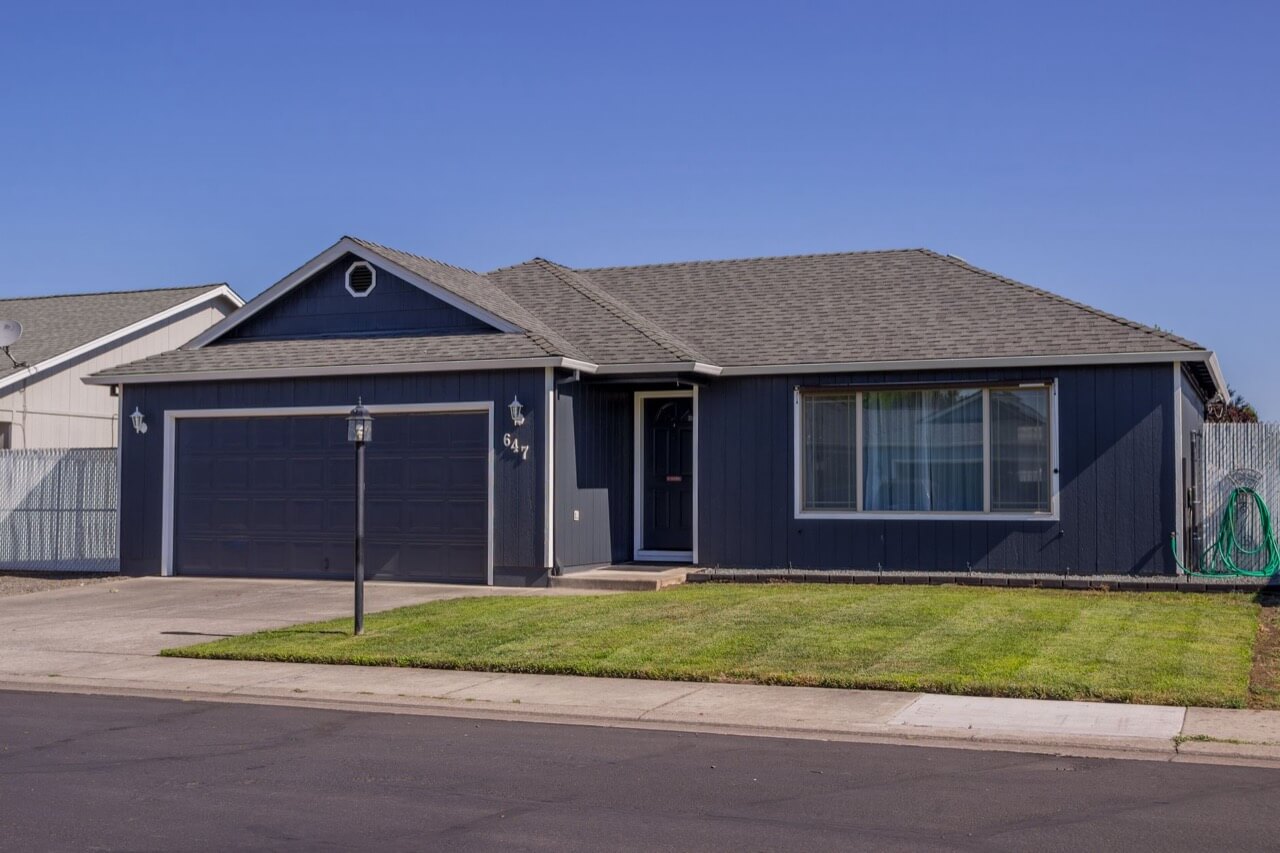
How an FHA loan works
An FHA loan is a mortgage insured by the Federal Housing Administration. In practical terms, that insurance can make the program more approachable for borrowers who need flexibility on down payment or credit history, subject to credit approval and program guidelines. It is still a full mortgage, so income, debt, assets, and the property itself all matter.
FHA is usually best thought of as a path for buying a primary residence with a structure that may be easier to enter than some conventional options. It does not remove the need to qualify, and it does not change the fact that the total housing payment has to fit the household budget after closing.
Questions about your situation?
Talk it through with a loan officer who knows this market. No forms and no pressure.
Baltimore’s home value today
The median home value in Baltimore was $189,754 in July 2026, according to Zillow Research. For a borrower, that sets the scale of the market: the loan amount, monthly payment, and cash needed at closing all start from a home price level that is still meaningful, but far below many larger coastal markets.
What the local pace means for FHA buyers
Homes in Baltimore went to pending in 20 days in July 2026, with 3,049 homes for sale and 891 new listings, according to Zillow Research. For an FHA buyer, that means prequalification matters before touring turns serious: there may be options, but there is not unlimited time to sort out income, assets, and repair concerns after you find the right house.
The same report showed a 27.57% share of listings with price cuts. That can give first-time buyers some room to negotiate, but it also signals that pricing is not static, so a buyer should verify the payment still works even if the list price moves.
How rent and income shape the first purchase
Zillow Research put Baltimore rent at $1,806 in July 2026, while Census ACS 5-Year estimates for 2023 show a median household income of $59,623. That combination matters because many first-time buyers are trying to move from a rent payment into ownership without adding too much monthly strain. FHA can help on the entry side, but the borrower still has to be comfortable with the full payment after closing.
The same ACS data show a median property tax of $3,236 in Baltimore city, Maryland, which reminds buyers that affordability is not just principal and interest. Taxes, insurance, and mortgage insurance all belong in the monthly picture when deciding whether an FHA loan is the right fit.
Why Baltimore’s housing mix matters
Census ACS 5-Year estimates show a 47.52% homeownership rate in Baltimore city, along with a 5.46% rental vacancy rate. For a buyer, that points to a market where many households are still renting, and where supply and turnover can affect how quickly a good home appears and how much leverage a buyer has when making an offer.
Zillow Research also reported that the median home value in Baltimore city was $219,300 in 2023, while the city’s home value was $189,754 in July 2026 and the year-over-year change was -2.92%. That gap and recent softening suggest that some buyers may find a little more breathing room than they would in a rising market, but they still need a payment that fits long term.
Do you have to put 20% down on an FHA loan?
No. FHA loans are known for lower down payment options than many conventional loans, subject to credit approval and program guidelines. In Baltimore, that matters because the median home value was $189,754 in July 2026, according to Zillow Research, so a smaller upfront requirement can preserve cash for closing costs, repairs, and reserves.
Can you really get an FHA loan with a 500 credit score?
FHA can be more flexible on credit than many borrowers expect, but approval is never based on score alone. The lender still reviews income, debt, assets, and the property, subject to credit approval and program guidelines. In Baltimore, where Zillow Research reported 3,049 homes for sale in July 2026, a borrower should get prequalified early so they know which homes are realistic before they start making offers.
What makes you eligible for an FHA loan?
Eligibility usually comes down to whether you can document the income, assets, credit history, and occupancy plan needed for a primary residence loan. FHA is designed for borrowers who need a more flexible structure, but the file still has to work. In Baltimore, where the median household income was $59,623 and rent was $1,806 in the figures supplied, the key question is whether the household can carry the full home payment after closing.
What's the downside to an FHA loan?
The main tradeoff is that FHA can be easier to enter, but it still brings underwriting standards, property-condition requirements, and a full monthly payment that has to work after closing. In Baltimore, that matters because Zillow Research showed a 27.57% share of listings with price cuts in July 2026, which suggests buyers may negotiate on price, but they still need to budget for taxes, insurance, and mortgage insurance once the home is theirs.
In this series
The numbers behind this page
Every figure comes from public data on City of Baltimore. Each one names its source and the month it describes, so you can check it yourself.